
How to Store Vinyl Records Properly
A vinyl collection can last a very long time if it’s stored properly. The problems people run into, like warping, mold, and scratches, usually come from a few avoidable mistakes.
Store Your Records Upright
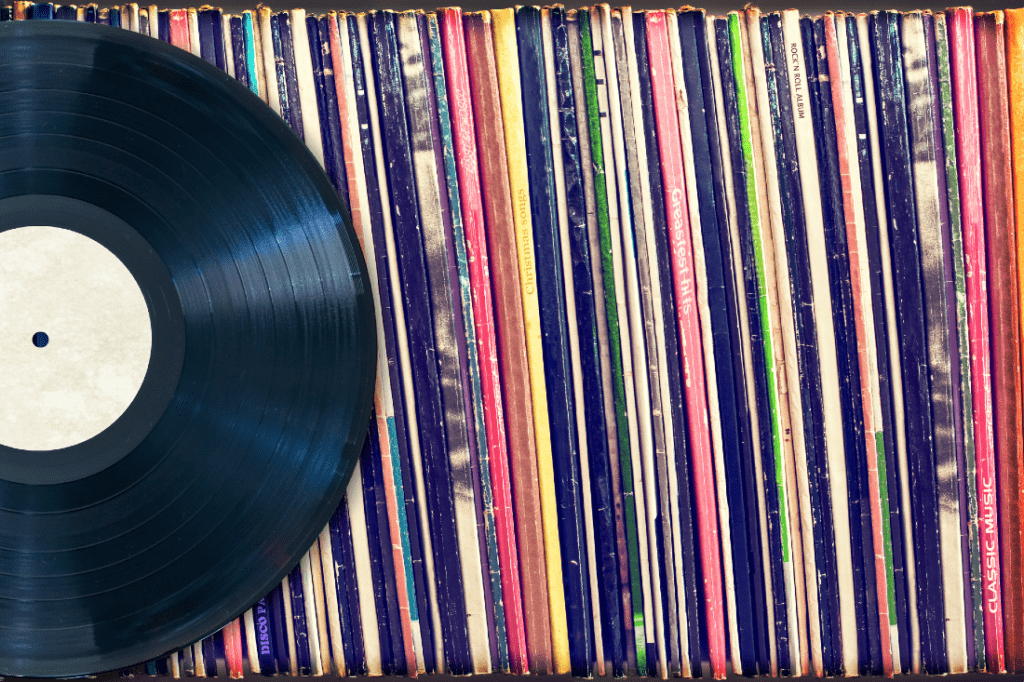
Records should always be stored vertically, like books on a shelf.
Stacking them flat creates uneven pressure, especially on the ones at the bottom. Over time, that leads to warping.
Once they are upright, make sure they are supported:
- Do not let them lean at an angle
- Add dividers every few inches if needed
- Leave a little space so they are not packed tight
The goal is simple. Each record should sit straight without relying on the others to hold it up.
Keep Temperature Stable
Vinyl does not handle heat well, but swings in temperature are just as bad.
A space that gets hot during the day and cold at night slowly stresses the material. Over time, that can change the shape of the record.
A good range is:
- 65°F to 75°F
- consistent, not fluctuating
That rules out most garages and attics for long-term storage. They tend to swing too much depending on the season.
Control Humidity
Humidity mainly affects the sleeves and labels, but that still matters.
Too much moisture can lead to:
- mold on labels
- warped covers
- sticking or deterioration
Too little humidity can increase static buildup.
A solid range is:
- about 45% to 50% humidity
If a space feels damp, it is not a good place to store records long term.
Keep Records Away from Light
Direct sunlight can damage both the vinyl and the album cover.
Over time, UV exposure can cause fading and even contribute to warping.
If you are displaying records on a wall, that is fine for short periods. For long-term storage, keep them in a darker, protected space.
Use Better Sleeves
The sleeve matters more than most people think.
Paper inner sleeves can cause small scratches over time. It happens slowly, but it adds up.
A better setup:
- polyethylene or polypropylene inner sleeves
- outer sleeves to protect the cover
Avoid PVC sleeves. They can break down and affect the record over time.
This is a small upgrade that makes a big difference, especially for records you care about.
Choose Sturdy Storage
Records are heavy. Shelves that bend or sag will cause them to lean, which leads to long-term damage.
Look for:
- solid shelving that holds its shape
- containers sized correctly for records
Avoid weak cardboard boxes or anything that flexes under weight.
If your setup feels unstable, it probably is.
Do Not Overpack
Trying to fit too many records into one space creates friction and pressure.
When records are packed too tightly:
- sleeves get worn down
- edges get damaged
- it becomes harder to handle them properly
You should be able to pull a record out easily without forcing it.
Handle Records Properly
A lot of damage happens during normal use, not storage.
Basic habits:
- hold records by the edges and label
- keep fingers off the grooves
- use clean, dry hands
It feels small, but oils from your fingers attract dust and affect playback over time.
Keep Them Clean
Dust builds up even in good storage conditions.
Before playing a record, a quick clean helps prevent buildup in the grooves.
If you are storing records long term, it helps to:
- clean them before storing
- use fresh inner sleeves
That way they come out in the same condition they went in.
Do Not Forget Your Turntable
A worn or dirty stylus can damage records faster than bad storage.
If your equipment is not maintained, it will undo everything else you are doing right.
At a minimum:
- keep the stylus clean
- replace it when needed
When a Storage Unit Makes Sense for Records
At some point, space becomes the issue.
A spare room or basement can work, but those spaces often struggle with temperature or humidity.
If you are moving part of your collection out of the house, look for:
- climate-controlled storage
- steady temperature
- controlled humidity
Standard units tend to act like garages. They are exposed to seasonal swings and moisture.
A controlled environment is a safer option for long-term storage, especially for larger collections.
Final Thoughts + Guide
Storing vinyl is mostly about avoiding slow damage.
Keep them upright. Keep the environment stable. Give them space. Handle them with a bit of care.
If you do that, your collection will hold up for years without issues.
See below for a visual checklist to help you when storying your vinyl records.
